Rubber Roof Installation in Fredericksburg, VA
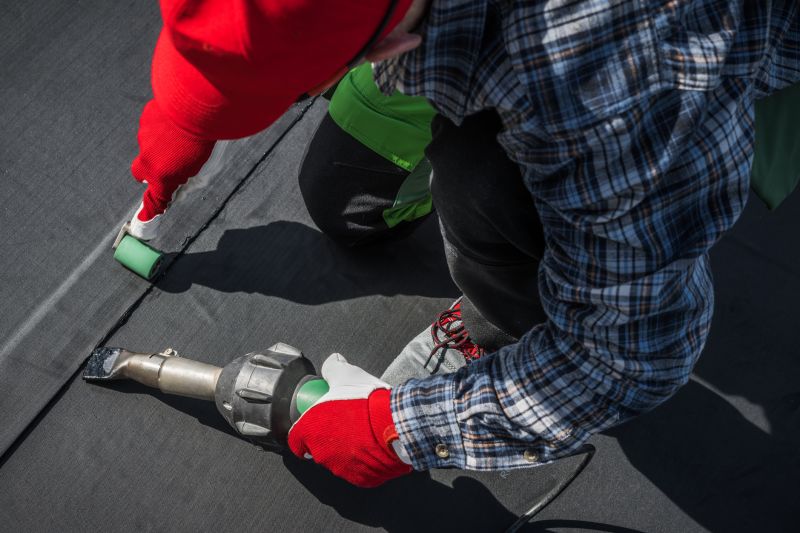
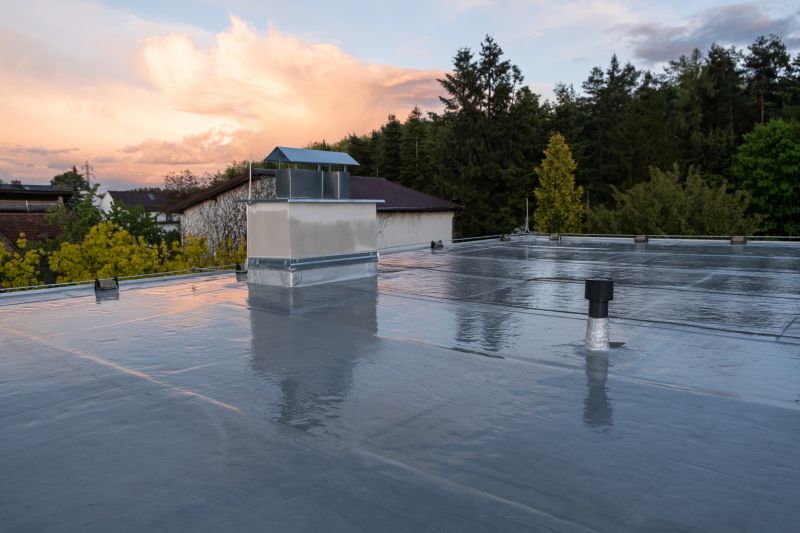
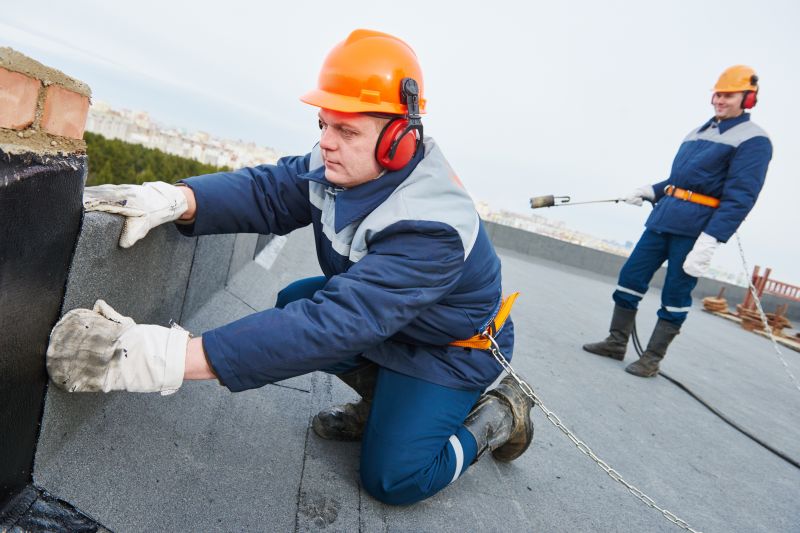
Rubber roof installation services involve placing durable, flexible roofing membranes made from synthetic rubber materials, such as EPDM, on residential or commercial properties. This type of roofing is commonly used for flat or low-slope roofs, offering a seamless, weather-resistant surface that can withstand harsh conditions. Projects typically include replacing old or damaged roofs, installing new roofs on additions or outbuildings, and ensuring a watertight seal for structures exposed to the elements. Property owners often want to understand the longevity of rubber roofing, the installation process, and how it compares to other roofing options to determine if it suits their specific project needs.
Before requesting rubber roof installation, property owners usually consider factors such as the size and shape of the roof, existing roof conditions, and the intended lifespan of the new roofing system. They may also inquire about the materials used, the expected durability, and any necessary preparations or repairs prior to installation. Understanding the maintenance requirements and potential benefits of rubber roofing can help homeowners make informed decisions about their roofing projects and ensure the chosen solution aligns with their property’s needs.
Many property owners in Fredericksburg, VA look into Rubber Roof Installation for repairs, replacements, upgrades, and appearance-related improvements.
Benefits Of Rubber Roofs
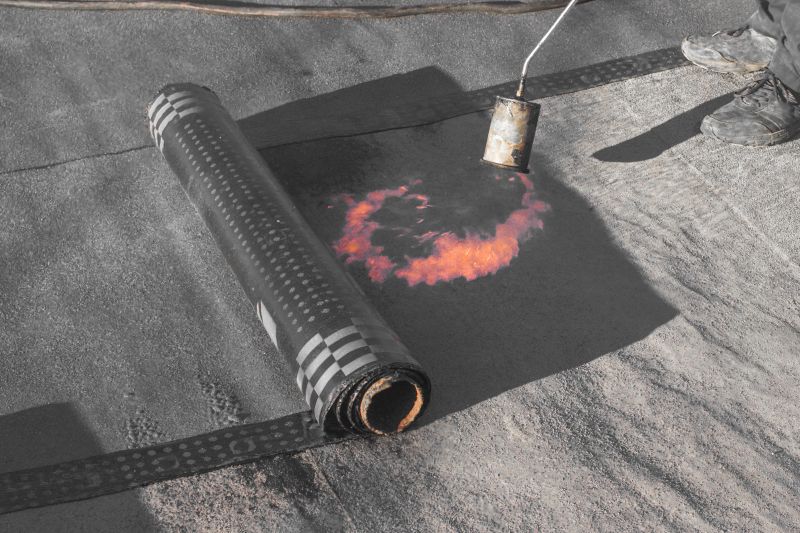
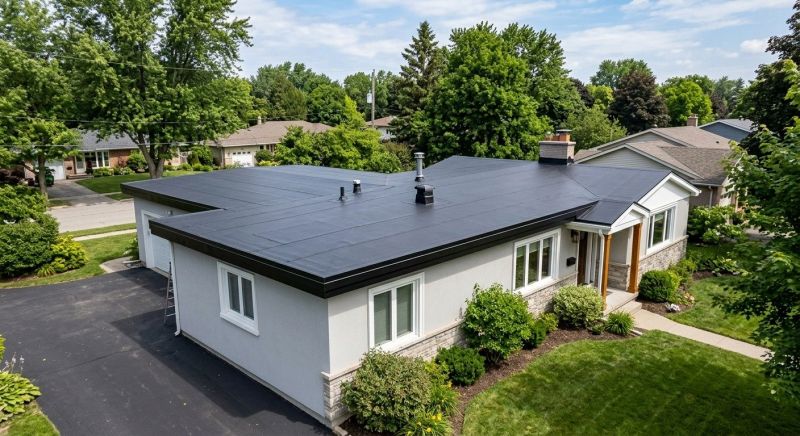
Rubber roofs offer durability and flexibility for residential and commercial properties.
Installation Considerations
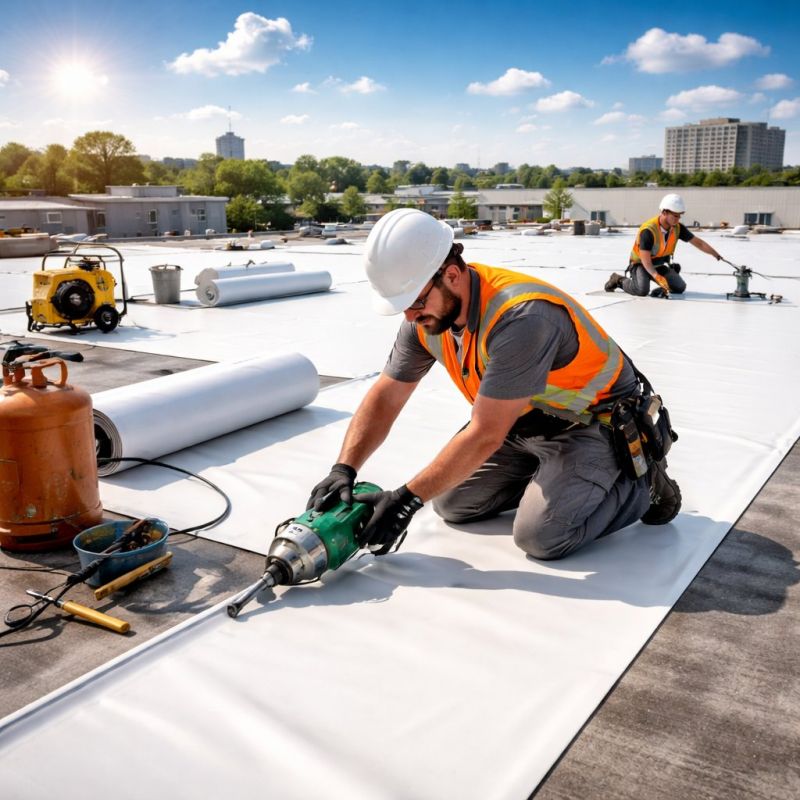
Proper installation ensures a watertight seal and long-lasting performance on various building types.
Maintenance And Care
Regular inspections help maintain the integrity and extend the lifespan of rubber roofing systems in fredericksburg, va.
Rubber Roof Installation in Fredericksburg, VA
Rubber roof installation services involve placing durable, flexible roofing membranes made from synthetic rubber materials, such as EPDM, on residential or commercial properties. This type of roofing is commonly used for flat or low-slope roofs, offering a seamless, weather-resistant surface that can withstand harsh conditions. Projects typically include replacing old or damaged roofs, installing new roofs on additions or outbuildings, and ensuring a watertight seal for structures exposed to the elements. Property owners often want to understand the longevity of rubber roofing, the installation process, and how it compares to other roofing options to determine if it suits their specific project needs.
Before requesting rubber roof installation, property owners usually consider factors such as the size and shape of the roof, existing roof conditions, and the intended lifespan of the new roofing system. They may also inquire about the materials used, the expected durability, and any necessary preparations or repairs prior to installation. Understanding the maintenance requirements and potential benefits of rubber roofing can help homeowners make informed decisions about their roofing projects and ensure the chosen solution aligns with their property’s needs.
Many property owners in Fredericksburg, VA look into Rubber Roof Installation for repairs, replacements, upgrades, and appearance-related improvements.
Common Rubber Roof Installation Jobs
Rubber Roof Installation - Provides a durable, waterproof surface for residential and commercial roofs.
Flat Roof Replacement - Ideal for updating aging flat roofs with a long-lasting rubber membrane.
Roof Overlays - Adds a new rubber layer over existing roofing for cost-effective protection.
Commercial Rubber Roofing - Suitable for warehouses, retail spaces, and industrial buildings requiring reliable coverage.
Residential Rubber Roofs - Enhances home protection with flexible, weather-resistant roofing solutions.
Emergency Rubber Roof Repairs - Addresses leaks and damage quickly to prevent further property issues.
Rubber Roof Installation Questions
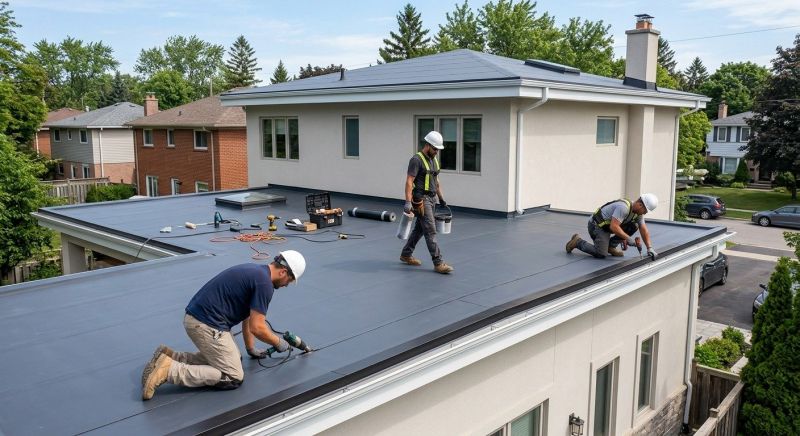
What is a rubber roof? A rubber roof is a waterproof membrane made from synthetic rubber, often used on flat or low-slope roofs for durability and flexibility.
What types of buildings are suitable for rubber roof installation? Rubber roofing can be installed on residential, commercial, and industrial buildings with flat or low-slope roofs.
How long does a rubber roof typically last? Rubber roofs generally have a lifespan of 20 to 30 years with proper installation and maintenance.
What are common reasons to choose a rubber roof? Rubber roofs are chosen for their waterproof qualities, resistance to weathering, and ease of repair.
Request Rubber Roof Installation in Fredericksburg, VA
Use the quote form on this page to share the basics of your project and request more information for the type of work you need.